How to Prepare for Liposuction in Michigan
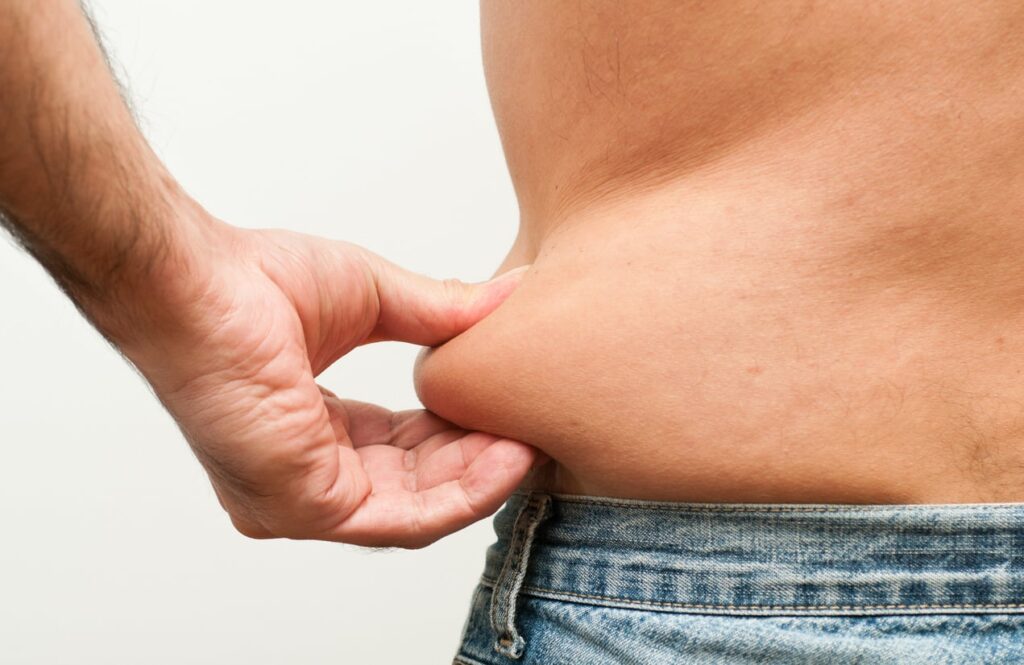
Deciding to have liposuction is rarely an impulsive choice. For most people, it comes after months or years of frustration with a specific area that does not respond the way they expected to diet, exercise, or weight training. The decision often feels practical rather than dramatic. You may like your overall health, your habits, and even your weight, yet still feel bothered by fullness under the chin, around the abdomen, along the flanks, or at the outer thighs.
Preparation matters more than many patients realize. Liposuction is not just about the procedure itself. Good preparation affects safety, comfort, recovery, and how smoothly the whole experience unfolds. It also helps set expectations, which is often where satisfaction begins. A patient who understands what liposuction can and cannot do usually feels more grounded going into surgery and less rattled during the first week after.
If you are planning for liposuction in Michigan, there are a few practical considerations that deserve attention. Some are universal, such as medical clearance and stopping nicotine. Others are more local, including weather, travel logistics, and how to manage recovery during a Michigan winter when slipping on ice is a genuine concern. Preparing well means thinking beyond the operating room.
Start with the right expectations
Liposuction works best for targeted fat reduction, not for major weight loss. That distinction sounds obvious on paper, but it still causes confusion in consultation rooms. Many patients arrive hoping the procedure will change their entire body shape in one step. Sometimes it can make a striking difference, especially when a person is already close to a stable, healthy weight. But the strongest candidates are usually those who are treating one or several stubborn areas rather than using surgery as a substitute for broader weight management.
Skin quality also matters. Liposuction removes fat, but it does not automatically tighten loose skin to the degree many people imagine. A 32-year-old with good elasticity may see the skin contract nicely after the area is reduced. A 58-year-old with thinner skin, prior weight fluctuations, or sun damage may see improvement in contour but still have laxity. This is not a failure of the procedure. It is normal tissue behavior.
The most satisfied patients tend to describe their goal in specific, grounded terms. They want their waistline to fit clothing better. They want less fullness at the bra line. They Liposuction Michigan want their jawline to look cleaner in photos. Those are realistic, measurable outcomes. “I want to look like a different person” is not.
Choosing a qualified surgeon in Michigan
Preparation begins with who performs the surgery. A technically good operation starts with a surgeon who evaluates candidacy honestly, explains the likely result without overselling it, and has experience with the areas you want treated. In the context of Liposuction Michigan patients often search broadly at first, then narrow their options based on before and after photos, reputation, and consultation style. That is a sound approach, but it should go deeper than image galleries.
Board certification, operating privileges, and accredited surgical facilities matter. So does communication. During a consultation, notice whether the surgeon explains trade-offs clearly. If your skin quality limits how smooth or tight the area may look afterward, you should hear that before scheduling. If combining procedures will lengthen recovery or increase risk, that should be discussed plainly.
I have seen patients feel reassured by a surgeon who says “yes” quickly, only to realize later that what they needed was not enthusiasm but judgment. A good consultation often includes moments that slow the process down. Sometimes the best answer is to wait, optimize your health, or consider a different procedure.
The consultation is part planning session, part screening
Bring more information than you think you need. Your surgeon will want a full medical history, past surgeries, allergies, and a current medication list. Be honest about supplements, recreational substances, and nicotine use. Patients sometimes omit vape products because they do not think of them as “smoking,” but nicotine in any form can interfere with healing and raise complication risk.
Good consultation questions tend to be practical. Ask how much downtime is typical for the areas you are treating. Ask when swelling usually peaks. Ask whether drains are used. Ask what kind of compression garment you will need and how long you are expected to wear it. Ask how often patients in that practice need revision, and in what situations.
Pictures can help, but they need context. If you show inspiration images, use them to communicate the type of improvement you like, not to request someone else’s anatomy. Frame shape, ribcage width, skin tone, pelvic structure, and baseline fat distribution vary widely. Your result should be planned around your own starting point.
Get medically ready, not just mentally ready
A surprising number of patients focus on the logistics of surgery and neglect the simple health habits that make recovery easier. The body handles surgery better when the basics are stable. That means hydration, regular meals with adequate protein, controlled blood pressure, and blood sugar management if you are diabetic or prediabetic. It also means addressing anemia or other issues early if your primary care physician has ever flagged them.
Weight stability is especially important. If you have gained and lost the same 15 to 25 pounds repeatedly, your surgeon may encourage you to stabilize first. Liposuction can remove fat cells from selected areas, but substantial weight gain after surgery can still affect your shape, including areas not treated. A patient who is stable for several months generally has a Liposuction Michigan more predictable result than a patient actively dieting hard up to the procedure date.
Sleep counts too. The week before surgery is not the time to stack late nights, alcohol, and intense exercise because you are trying to “get in shape” one last time. Go into the operation rested, nourished, and calm if possible.
Medications, supplements, and nicotine need attention early
This part is often less glamorous than choosing compression garments or planning time off work, but it is one of the most important pieces of preparation. Certain medications and supplements can increase bleeding risk or complicate anesthesia. Your surgical team will tell you exactly what to stop and when, and their instructions should take priority over general advice online.
Common issues include aspirin, ibuprofen, naproxen, some herbal supplements, and high-dose vitamin E. Even products marketed as natural wellness aids can matter in the operating room. Fish oil is a frequent example that surprises people. So are pre-workout supplements with stimulant blends.
Nicotine deserves separate emphasis. Surgeons are strict about it for good reason. Smoking, vaping, nicotine gum, patches, pouches, and similar products can reduce blood flow and impair healing. Patients sometimes bargain with themselves and cut back rather than stopping fully. That is not the same thing. If your surgeon gives a nicotine-free window before and after surgery, follow it exactly.
Plan your home recovery space before surgery day
Patients usually feel better recovering at home when the setup is handled in advance. Even a straightforward liposuction case can leave you sore, swollen, and slower-moving for several days. The less you have to improvise once you are back from surgery, the better.
Here is a simple setup that makes a real difference:
- Prepare a sleeping area that is easy to get in and out of, with extra pillows, clean sheets, and a nearby phone charger.
- Stock the kitchen with light, easy meals, bottled water or electrolyte drinks, and enough protein to carry you through the first week.
- Keep medications, gauze, extra garments, and any postoperative instructions in one visible place.
- Choose loose clothing that opens easily and slips on without a struggle.
- Clear walkways, especially if you have stairs, pets, or winter boots near the door.
That last point matters more in Michigan than many people expect. If your surgery falls during snow season, think ahead about ice, shoveling, and wet entryways. You should not be hauling salt bags, scraping your windshield, or navigating slippery steps on postoperative day two.
Understand the role of compression and swelling
Swelling after liposuction is normal, sometimes dramatic, and often emotionally unsettling if you are not prepared for it. Many patients expect to look smaller right away, and some do in certain areas, but the early recovery phase is uneven. You may feel tighter, puffier, or more bruised before you feel better. The body needs time to settle.
Compression garments help support healing and contouring, but they are not magic. They need to fit properly. Too loose and they do not do much. Too tight and they can become miserable or create pressure issues. If your surgeon’s office recommends a specific style, use that guidance rather than ordering a random garment online because it looked sleek in a product ad.
Expect fluctuations. One day you may feel encouraged. Two days later you may feel more swollen and wonder whether something is wrong. This is common, especially around the lower abdomen, flanks, and thighs. Final results take time. Depending on the area and the amount treated, noticeable improvement may appear within weeks, while refinement continues for months.
Arrange your ride, your help, and your schedule realistically
People often underestimate how helpful it is to have calm, competent support for the first 24 to 72 hours. Even if your procedure is outpatient and you are generally healthy, you may be groggy, sore, and less coordinated than usual. If a friend or relative is helping you, choose someone reliable, not just someone enthusiastic.
A good helper does simple things well. They keep track of medication timing, encourage fluids, help with meals, and watch for instructions from the surgical team. They also make the first night feel less chaotic. I have heard many patients say the best favor anyone did for them was not a dramatic act, but making sure they did not have to think.
Time off work should match the reality of your job. A desk worker who can work remotely may return sooner than a nurse, warehouse employee, hairstylist, or anyone who stands, lifts, twists, or drives extensively. If your work uniform is tight or structured, that can matter too. Returning too early often leads to more discomfort, more swelling, and more frustration.
Prepare for Michigan weather and transportation
This is one of those practical issues that sounds small until it is not. Recovering from surgery during a Michigan cold snap is different from recovering in mild weather. If your procedure is in January or February, think through the entire route from your front door to your follow-up appointment. Long walks across icy parking lots are not ideal when you are sore and compressed into a garment.
Warmth helps, but overheating is uncomfortable. Dress in layers that are easy to remove. If you are traveling from another part of the state for surgery, consider whether a hotel stay the first night makes more sense than a long drive home. That choice can be especially wise if you live in northern Michigan and your procedure is scheduled in Metro Detroit, Ann Arbor, Grand Rapids, or another city with a several-hour return trip.
If you wear winter boots, practice getting them on without bending aggressively. It sounds trivial until you are trying to dress the morning after surgery. Slip-on shoes with traction are often the better choice for the first few days.
Nutrition is not a side note
Recovery is easier when you eat enough. Some patients make the mistake of undereating after liposuction because they are worried about “ruining the result.” That usually backfires. Your body needs calories, fluids, and protein to repair tissue, manage inflammation, and keep your energy up. This is not the week to live on crackers and coffee.
Aim for meals that are gentle but substantial. Eggs, yogurt, soups with added protein, chicken, fish, oatmeal, fruit, cooked vegetables, and simple grain dishes work well for many people. Constipation can become a problem after anesthesia and pain medication, so fiber and hydration are worth planning for in advance.
Alcohol is best avoided while you are recovering and while you are taking prescription medication. It can worsen dehydration, interfere with sleep, and increase the sense of swelling or inflammation.
Know what the first week often feels like
Most patients feel some combination of soreness, drainage, bruising, stiffness, and fatigue. Soreness is often described less like a sharp surgical pain and more like an intense workout plus tenderness. That said, everyone’s pain threshold is different, and treatment area matters. Small-volume chin liposuction and larger-volume abdominal or circumferential liposuction are not the same recovery experience.
Drainage can be surprising if you are not warned. Depending on the technique used, some fluid leakage from incision sites may occur early on. It can look dramatic on pads or clothing, but your surgical team will tell you what is expected. This is one reason dark towels, disposable pads, and easy-to-wash clothing are useful at home.
Here are the postoperative signs that usually deserve a call to your surgical team rather than a wait-and-see approach:
- Fever, chills, or increasing redness that seems to spread
- Sudden one-sided swelling, severe pain, or shortness of breath
- Persistent vomiting or inability to keep fluids down
- Drainage with a strong odor or a wound that appears to open
- Pain that is escalating sharply instead of gradually improving
Good preparation includes knowing what is normal and what is not. That knowledge lowers anxiety and helps you respond promptly if something feels off.
Emotional preparation is just as important
There is a short emotional arc to recovery that many patients do not anticipate. Before surgery, you may feel focused and optimistic. Right after surgery, relief mixes with discomfort. Then comes a period, often in the first week or two, when swelling and bruising make it hard to judge the result. That is when people can feel impatient or unexpectedly discouraged.
This is normal. It does not mean you made the wrong decision. It usually means you are in the least flattering phase of healing. Give yourself a little distance from mirrors and photos if you notice yourself checking constantly. Follow-up visits help because your surgeon can tell whether things are progressing as expected, even when you cannot yet see the shape clearly yourself.
Patients who do best emotionally tend to respect the timeline. They do not book a beach vacation ten days later or expect to slide back into all of their fitted clothes immediately. They also do not compare day six to someone else’s month three online.
If you are combining procedures, double the planning
Liposuction is sometimes combined with other procedures, such as abdominoplasty, breast surgery, or facial contouring. Combination surgery can be efficient, but it is not automatically easier. More areas treated usually means more swelling, more fatigue, and more recovery logistics.
You may need more help at home, more time off, and a clearer plan for sleeping positions and mobility. If you are a parent of young children, this becomes especially important. A toddler does not understand lifting restrictions. If you usually handle school drop-off, groceries, dog walking, or snow shoveling, line up backup help before surgery, not after you realize you need it.
The best preparation is often the least flashy
By the time surgery day arrives, the strongest preparation usually looks pretty ordinary. Your questions have been answered. Your medication list has been reviewed. Your nicotine stop date was real, not aspirational. Your ride is arranged. Your house is stocked. Your work calendar is covered. Your expectations are focused on improvement, not perfection.
That kind of preparation does not make for dramatic social media content, but it is exactly what supports a smoother experience. Liposuction can be a very effective procedure when it is chosen for the right reasons and approached with discipline. For patients seeking Liposuction Michigan practices offer, the smartest path is not rushing toward the operating room. It is taking the time to arrive ready.
The procedure itself may take a few hours. The result you live with depends heavily on everything you do before and after. Preparation is where good outcomes quietly begin.
Aesthetic Plastic Surgery & Laser Center, Michelle Hardaway M.D.
27920 Orchard Lake Rd, Farmington Hills, MI 48334, United States
+1 248-221-1957
FAQ About Liposuction Michigan
Is 55 too old for liposuction?
Age 55 alone does not determine suitability. A surgeon evaluates overall health, skin quality, healing risks, and realistic goals. A personal consultation is needed to assess candidacy and discuss alternatives.
What happens 10 years after liposuction?
Contour improvements can last, especially with stable weight. Aging, pregnancy, and weight changes can alter the appearance over time. Results vary, and liposuction does not prevent future body changes.
Can lipo get rid of an apron belly?
Liposuction reduces localized fat but does not remove hanging excess skin. An apron belly may require assessment for a skin-removal procedure instead of, or alongside, fat removal. A qualified plastic surgeon can explain appropriate options and their risks.